
When the air turns crisp and the leaves begin to change, it’s time for fall aeration. Aerating your lawn in the fall is one of the most beneficial things you can do for its long-term health. It prepares your yard for the cold winter months and ensures vibrant growth when spring arrives. But what exactly is fall aeration, and why is it so essential for a healthy lawn? Dive in with New Leaf Landscaping for the details.
What is Fall Aeration?
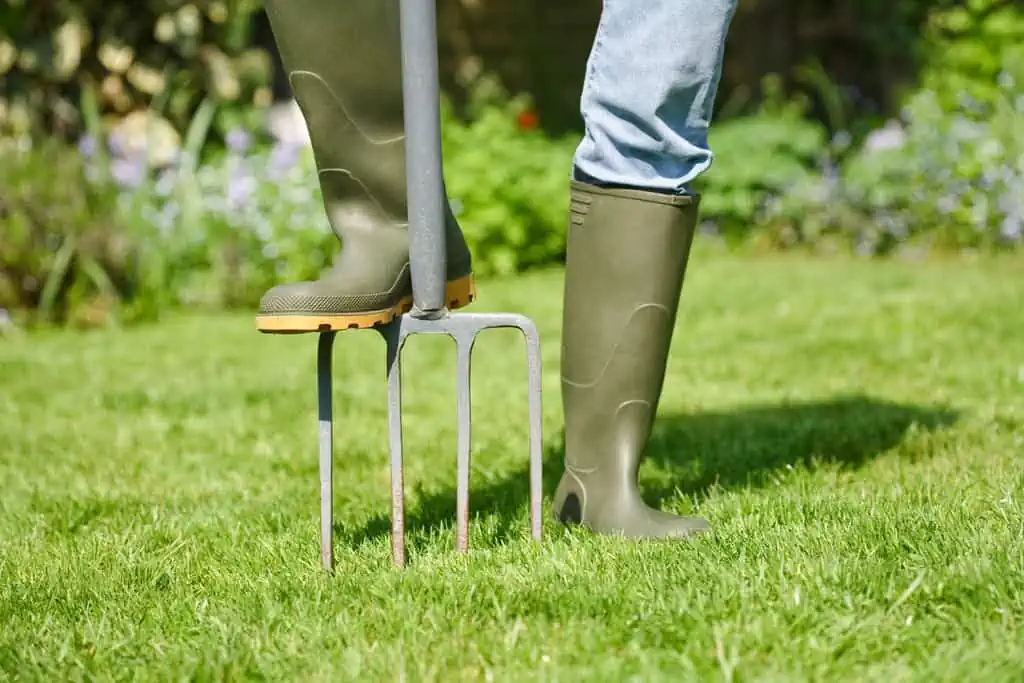
Fall aeration is the process of creating small holes in the soil surface to reduce soil compaction and allow your lawn to breathe. These holes give the roots of your grass more room to grow deeper and stronger. When you aerate your lawn, you help combat compacted soil, making it easier for water, nutrients, and oxygen to reach the root system.
During the hot summer months, soil can become compacted from foot traffic, lawn equipment, and natural settling. This compaction prevents roots from growing deep and absorbing the nutrients they need, which results in thin, unhealthy grass. By aerating in the fall, you create the perfect environment for healthy grass growth and set the stage for a greener, thicker lawn in the spring.
Why Aerate Your Lawn in the Fall?
There are several reasons why aerating your lawn in the fall is ideal. First, soil temperatures are still warm from summer, which promotes faster root growth. Second, the cooler air temperatures in early fall are less stressful on the grass, allowing it to recover quickly from the aeration process.
When you aerate in the fall, you reduce weed growth by giving your grass a competitive edge. The small holes created by aeration make it harder for weed seeds to establish themselves, which helps reduce weeds in your lawn. Plus, aerating in the fall allows for better absorption of nutrients and fertilizer, giving your lawn the nutrients it needs to thrive year-round.
The Benefits of Fall Aeration
Fall aeration offers numerous benefits for lawn owners. Here are just a few reasons why you should consider aerating your lawn this season:
1. Improves Soil Health: Aeration alleviates soil compaction, allowing water, air, and nutrients to penetrate deeper into the soil. This encourages deeper root growth and results in a healthier lawn.
2. Promotes New Grass Growth: Aeration creates an ideal environment for new grass seeds to take root. The small holes left by the aeration machine provide the perfect spots for grass seed to settle and grow, leading to a lush, green lawn.
3. Reduces Lawn Diseases: By improving air circulation and water absorption, aeration helps reduce the risk of lawn diseases that thrive in dense, compacted soil.
4. Enhances Fertilizer Effectiveness: When you aerate your lawn, you allow fertilizer to reach the roots of your grass more efficiently, resulting in a more robust lawn.
5. Prepares Your Lawn for Winter: Aerating in the fall helps your lawn build a stronger root system before winter hits, ensuring it comes back healthier in the spring.
How to Aerate Your Lawn: A Step-by-Step Guide
Now that you understand the importance of fall aeration, let’s go over how to aerate your lawn. Follow these steps to ensure you get the best results:
1. Choose the Right Time
The best time to aerate your lawn is in the early fall when soil temperatures are still warm, and the weather is mild. Aim to aerate your lawn a few weeks before the first frost to give it time to recover and grow fresh grass before winter arrives.
2. Prepare Your Lawn
Before you start aerating, make sure to mow your lawn to about one inch in height. This will help the aeration machine penetrate the soil more effectively. Also, mark any sprinkler heads, utility lines, or other obstacles to avoid damaging them during the aeration process.
3. Select the Right Equipment
For most lawns, a core aeration machine is the best choice. This type of aeration machine removes small plugs of soil from the ground, creating holes that allow air, water, and nutrients to reach the roots of your grass. You can rent an aeration machine from a local garden center or hire a professional landscaping company to do the job.
4. Aerate Your Lawn
To aerate your lawn, run the aeration machine over your yard in multiple directions, making sure to cover the entire lawn. Pay extra attention to areas with heavy foot traffic or compacted soil. The goal is to create small holes about two to four inches deep and two to six inches apart.
5. Overseed and Fertilize
After aeration, consider overseeding your lawn with new grass seeds. The holes created by aeration provide the perfect environment for seeds to take root, leading to a thicker, healthier lawn. Be sure to spread the grass seed evenly over the soil surface and water it thoroughly to encourage fresh growth.
Applying fertilizer after aeration can also help promote deep root growth and healthier grass. Choose a fertilizer that is high in nutrients, and apply it according to the manufacturer’s instructions.
Common Questions About Fall Aeration
How Often Should You Aerate Your Lawn?
For most lawns, aerating once a year in the fall is sufficient. However, if your lawn experiences heavy foot traffic, soil compaction, or has a lot of thatch, consider aerating twice a year – once in the fall and once in the early summer.
Can You Aerate Your Lawn in the Spring?
Yes, you can aerate your lawn in the spring. However, fall aeration is generally more beneficial because it allows your lawn to recover and grow stronger roots before the stress of hot summer months. Aerating in the spring can still help reduce soil compaction and improve lawn health, but fall remains the ideal season for aeration.
What Are the Signs That Your Lawn Needs Aeration?
Look for signs such as brown patches, compacted soil, poor grass growth, and water pooling on the soil surface. If your lawn looks thin and lacks fresh growth, it’s a good indication that aeration is needed.
Tips for Maintaining a Healthy Lawn Year-Round
To keep your lawn healthy year-round, follow these additional lawn care tips:
– Water Deeply and Infrequently: Water your lawn deeply but less frequently to encourage deep root growth. Watering once or twice a week is usually sufficient.
– Mow Regularly and at the Right Height: Keep your grass at the recommended height for its type, usually around three inches. Avoid cutting more than one-third of the grass blade at a time.
– Fertilize Appropriately: Apply fertilizer in the fall and spring to provide your lawn with the nutrients it needs to stay healthy. Choose a balanced fertilizer for the best results.
– Control Weeds: Use a pre-emergent weed control product in the spring and spot treat weeds as needed to reduce weed growth.
Aerate Your Lawn This Fall for a Healthier Yard
Fall aeration is a vital part of maintaining a healthy lawn. By aerating in the fall, you give your lawn the breathing room it needs to grow deeper roots, absorb water, and take in more nutrients. It reduces weeds, combats lawn diseases, and sets the stage for vibrant growth when spring arrives. Don’t wait until winter hits – schedule your fall aeration today and enjoy a greener, healthier lawn year-round.


