
Winter can be a challenging time for homeowners who want to maintain a welcoming and safe outdoor space. Cold weather, freezing temperatures, and heavy snow can wreak havoc on your landscape, leading to damaged plants, unsafe walkways, and other hazards. Preparing your landscape for winter months ensures the safety of your guests and protects your yard’s long-term health. Here’s how to tackle winter landscaping challenges effectively.
Prepare Your Lawn and Landscape for Winter Weather
As the cold weather approaches, it’s essential to prepare your lawn and landscape to prevent damage and maintain safety. Start by removing fallen leaves, debris, and branches from your yard. These can become slippery when wet or icy, posing a risk to your guests.
Rake up diseased or dead leaves to reduce water loss from your turf and to avoid promoting mold or pests during the season. Applying a winter-specific fertilizer to your lawn can also help maintain the soil’s nutrients and prepare it for the spring growing season.
Protect Plants and Shrubs from Freezing Temperatures
Freezing temperatures can severely damage plants and shrubs, especially young or newly planted ones. To add extra protection:
1. Apply a thick layer of mulch around the base of plants and shrubs.
2. Mulch helps maintain uniform soil temperature and reduces moisture loss during the winter months.
3. Cover young trees and shrubs with burlap or breathable fabric to shield them from ice, snow, and wind.
These simple steps prevent damage and ensure your plants stay healthy throughout the season.
Prune and Care for Trees to Prevent Hazards
Proper tree care is crucial during the winter months. Heavy snow and ice can break branches, leading to safety risks for guests and damage to your property. Prune diseased or weak branches in the fall before severe weather arrives.
When pruning:
– Wait for a dry day to prevent further damage to the tree.
– Focus on removing branches that are susceptible to snapping under the weight of snow.
By keeping trees well-maintained, you reduce the risk of falling branches and make your yard safer for everyone.
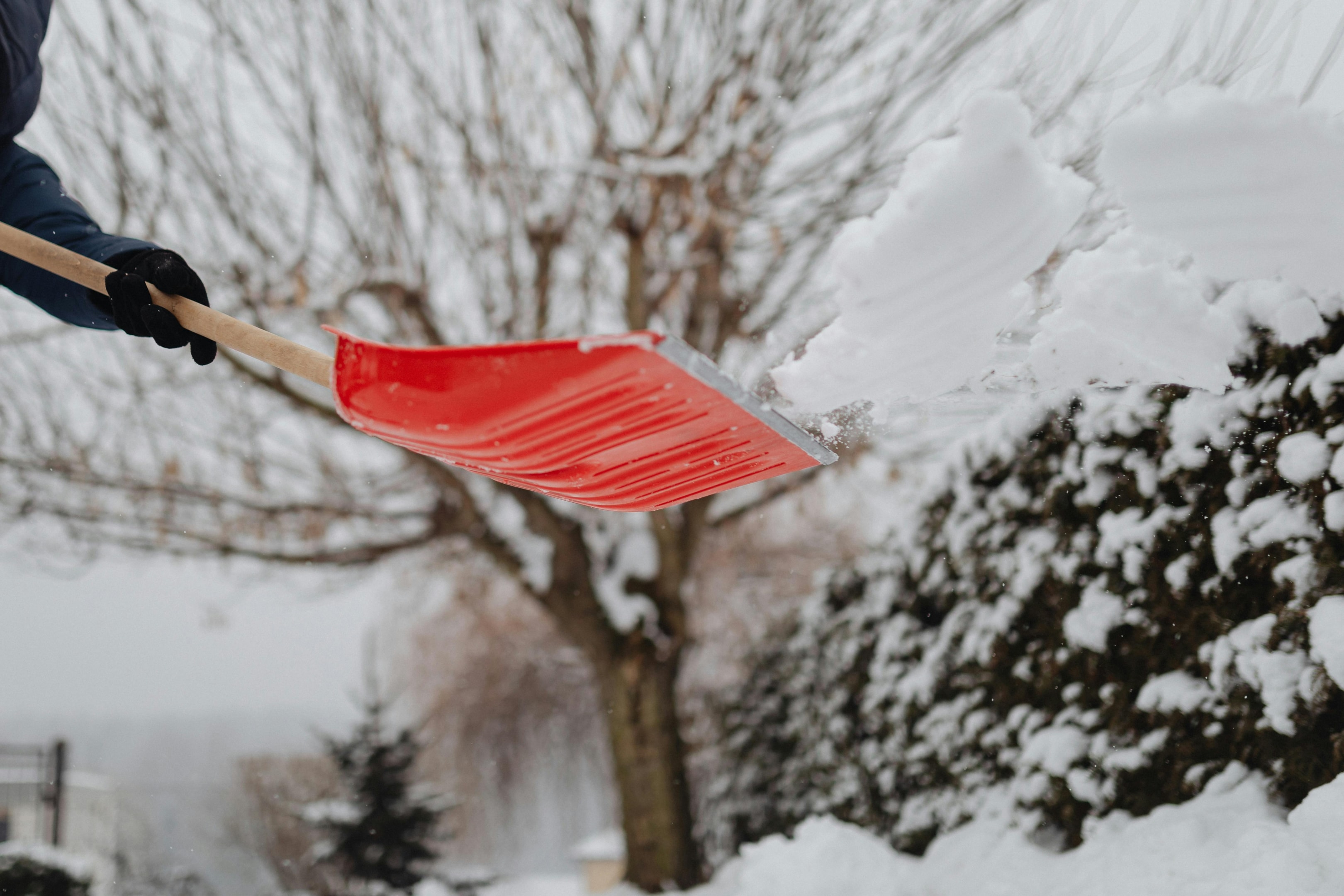
Clear Walkways and Driveways Regularly
Snow and ice on walkways and driveways can make your landscape hazardous for guests. Keep these areas clear with regular maintenance:
- Shovel snow promptly after each snowfall to prevent icy buildup.
- Apply de-icing products or sand to reduce slipping risks.
- Inspect walkways for cracks or uneven surfaces that may worsen during the season.
By staying proactive, you ensure everyone can navigate your yard safely during the winter months.
Protect Grass and Turf During the Cold Season
Grass and turf need care even when they’re dormant. Heavy foot traffic on frozen grass can cause plant damage, leading to patchy lawns in the spring.
To protect your grass:
– Create clear pathways to guide guests away from delicate areas.
– Use signs or barriers to mark areas where new growth is most vulnerable.
This way, your lawn can recover quickly when the growing season begins.
Use Mulch to Maintain Uniform Soil Temperature
Mulch is a landscaping hero during cold weather. Applying it around trees, shrubs, and garden beds can:
- Insulate the soil and maintain uniform soil temperature.
- Protect roots from freezing.
- Reduce water loss from the soil during dry winter winds.
Choose mulch made from different types of organic materials like wood chips or straw for the best results.
Prepare Young Trees for Winter Challenges
Young trees are particularly susceptible to cold weather damage. To keep them safe:
- Wrap tree trunks with protective material to prevent cracking caused by freezing temperatures.
- Add extra protection to the base with mulch or tree guards.
- Water them thoroughly before the ground freezes to help them retain moisture.
These steps ensure young trees survive the winter and thrive in the spring.
Prevent Plant Damage from Heavy Snow and Ice
Heavy snow and ice can wreak havoc on your landscaping, weighing down branches and shrubs. To protect your plants:
– Brush off excess snow gently with a broom. Avoid shaking branches as this can cause breakage.
– Use stakes or ties to support shrubs and plants that are susceptible to bending under snow.
Proactively addressing heavy snow helps your plants and shrubs stay healthy during the winter months.
Plan for Debris Removal and Winter Pruning
Debris like fallen branches or diseased plants can create safety hazards and harm your landscape’s appearance. Schedule regular debris removal and winter pruning to:
- Prevent pests and diseases from spreading.
- Keep pathways clear and safe.
- Ensure trees and shrubs are ready for the spring growing season.
Winter is also an ideal time to prune shrubs and trees since they’re dormant, reducing stress on the plants.
Add Extra Protection to Vulnerable Plants and Areas
If your landscape includes plants or trees that are particularly sensitive to cold, provide extra protection:
- Use frost blankets or temporary greenhouses for tender plants.
- Move potted plants to sheltered areas or indoors.
- Create windbreaks with burlap screens to shield exposed sections of your yard.
Adding this protection helps prevent damage and keeps your landscape looking its best.
Prepare for Ice, Rain, and Wind
Winter weather often includes freezing rain, strong winds, and icy conditions. These can cause significant damage to your yard and pose risks to guests. To stay safe:
- Inspect outdoor lighting to ensure walkways are visible during dark winter evenings.
- Secure any loose decorations or landscaping materials that could blow away during storms.
- Keep drains clear to prevent pooling water from freezing.
Proactive preparation minimizes risks and keeps your landscape functional all season.
Don’t Forget Your Spring Recovery Plan
Winter care doesn’t end when the snow melts. Planning for spring ensures your landscape transitions smoothly into the growing season. After winter:
- Rake up leftover debris and fallen leaves.
- Fertilize your lawn and plants to replenish nutrients lost during winter.
- Prune any branches damaged by winter storms.
A little extra effort in spring can restore your landscape to its full potential.
Final Thoughts: Keep Guests Safe and Your Landscape Beautiful
Maintaining landscape safety for winter is a must for homeowners who care about their yard and their guests’ safety. By protecting plants, pruning trees, clearing walkways, and preparing for spring, you ensure your yard stays inviting and healthy throughout the season.
Take the time to prepare your landscape for the challenges of winter, and you’ll enjoy a beautiful and safe yard year-round. For professional landscaping help, contact New Leaf Landscaping—we’re here to keep your yard looking its best!


