
Winter storms can wreak havoc on your yard if you’re not prepared. As the temperatures drop and cold weather sets in, it’s essential to take steps to prepare your landscape for winter. Doing so protects your investment in your plants, trees, and lawn, keeping them healthy until they can thrive again come early spring.
In this guide, New Leaf Landscaping will cover essential tips for preparing your lawn and yard for winter storms, from pruning trees and shrubs to adding mulch for extra protection. Let’s get your landscape winter-ready!
Start Preparing Before the First Frost
The best time to start your winter preparations is in fall, before the first frost and colder temperatures arrive. By getting a head start, you’ll reduce the risk of damage to plants and trees.
Clean Up Fallen Leaves and Debris
Fallen leaves may look beautiful, but they can cause issues if left on your lawn all winter. Wet leaves can encourage snow mold and create a slippery mess. Rake leaves and remove debris to keep your lawn healthy and reduce the risk of fungal diseases.
Tip: Use chopped leaves as a natural mulch for flower beds. They add organic matter to the soil and protect delicate plant roots.
Prune Trees and Shrubs Before the First Freeze
Pruning trees and shrubs helps them withstand winter storms. Trim dead or damaged branches that could break under the weight of snow or ice, which can harm nearby plants or structures.
Protect Small Trees from Winter Damage
Younger trees are more susceptible to cold weather damage. Use burlap or protective wraps to protect trees and small trees from harsh winds and cold temperatures. This helps keep them safe until the growing season returns.
Tip: Avoid heavy pruning in late winter as it can stimulate new growth that might not survive the cold.
Improve Drainage to Prevent Flooding
Excess water in the yard can freeze and damage roots or create slippery surfaces. Check your landscape’s drainage and clear out any clogged ditches, gutters, or drains. This will prevent water from pooling and causing issues when the ground freezes.
Remove Garden Hoses and Protect Water Sources
Disconnect and store your garden hose to prevent damage. If left connected, freezing water inside hoses can expand, causing them to crack. Empty your irrigation system if possible, or cover it for protection from cold temperatures.
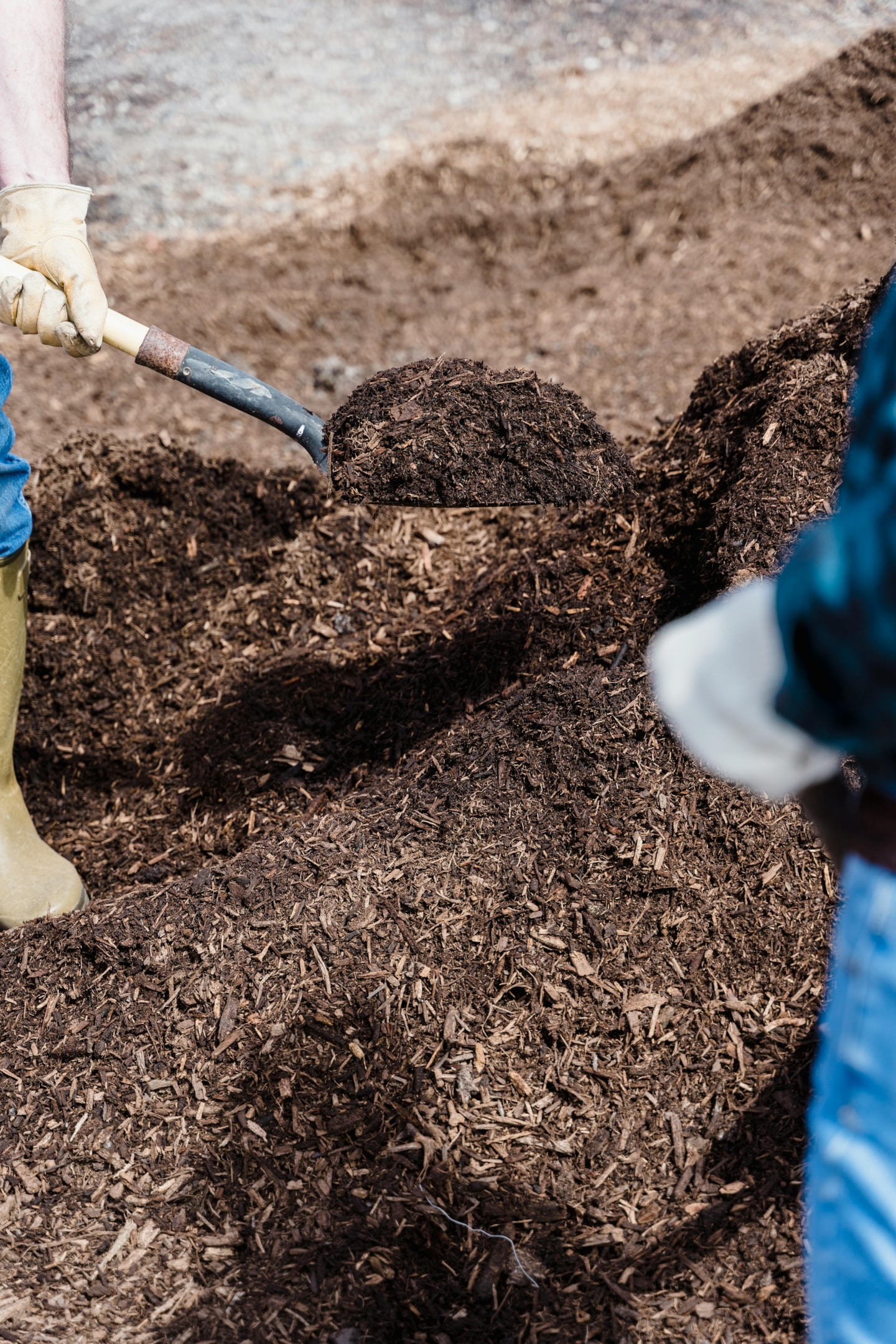
Mulch for Moisture Retention and Root Protection
Adding mulch around plants and trees helps retain moisture and regulates soil temperature. Mulching provides a protective layer that insulates roots, keeping them warmer during chilly months.
Tip: Use organic mulch like chopped leaves or straw to provide other mulch benefits, such as adding nutrients to the soil over time.
Add Mulch Around Tender Bulbs and Hardy Plants
Tender bulbs and hardy plants benefit from extra insulation. Cover bulbs with a thick layer of mulch to protect them from freezing. For plants adapted to most climates, add mulch around their base to protect against cold damage.
Protect Your Soil for Early Spring Planting
If you plan on planting vegetables or flowers in early spring, you can prepare the garden soil with a cover crop like winter rye or clover. This helps protect the soil, prevents erosion, and improves fertility for the next growing season.
Prepare Your Lawn for Colder Weather
Your lawn may seem dormant in winter, but it still needs care. Here’s how to help it stay healthy:
Rake and Mulch Grass
Remove any fallen leaves and spread chopped leaves over the grass to provide extra nutrients. Grass can be weakened if it’s covered in heavy layers of debris throughout winter.
Mow One Last Time Before Temperatures Drop
Give your lawn a final mow before colder temperatures set in. Cut grass shorter than usual to prevent it from matting down under snow, which can lead to snow mold.
Water Before the Ground Freezes
Water your lawn deeply in the weeks before the ground freezes to ensure the roots are well-hydrated. Moisture helps the lawn survive cold, dry conditions, especially if the soil temperature is kept at a stable level.
Protecting Trees and Shrubs from Cold Weather
Trees and shrubs are significant investments in your landscape. Follow these steps to keep them safe from winter weather damage:
Wrap Small Trees for Extra Protection
As mentioned earlier, small trees are particularly vulnerable to winter winds. Wrap trunks with tree wrap or burlap to insulate them. This helps protect against frost cracks and potential damage from cold temperatures.
Add Mulch Around the Base
Add a 2- to 4-inch layer of mulch around the base of trees and shrubs to help them retain moisture and regulate soil temperature. This layer acts as a barrier, keeping roots warm when the ground freezes.
Prune to Prevent Damage
Pruning trees and shrubs removes weak branches that may break under snow or ice, protecting your property from falling limbs.
Protect Plants with Frost Covers
Protecting delicate plants from frost can help them survive the winter. Use frost cloths, sheets, or burlap to cover sensitive plants when the first freeze arrives.
Focus on Ornamental Grasses and Other Hardy Plants
Ornamental grasses and other hardy plants generally survive cold temperatures well. However, adding a layer of mulch or covering them with burlap can provide additional protection and prevent winter burn.

Collect Seeds and Save Hardy Plants for Next Spring
Winter is a good time to collect seeds from plants that have finished their growing season. This way, you can replant or expand your garden in next spring.
Bring Tender Plants Indoors
Some plants, such as tropicals and certain bulbs, won’t survive winter outdoors in cold climates. Bring them indoors or place them in a greenhouse if possible.
Check for Winter Pests and Diseases
Certain pests and diseases, like snow mold, can appear in winter. Inspect plants and lawn regularly for signs of mold or fungus, and treat them as needed. Regular checks help you catch problems early and keep your landscape healthy.
Final Checklist for Winter Preparation
Before the first frost hits, go through this checklist to ensure your yard is ready for winter storms:
1. Rake leaves and clear debris.
2. Prune trees and shrubs, especially damaged or weak branches.
3. Disconnect and store your garden hose.
4. Check and clear all drains for proper drainage.
5. Spread mulch around plants and trees to insulate roots.
6. Wrap small trees or delicate shrubs in protective material.
7. Water the lawn well before the ground freezes.
8. Protect sensitive plants with frost covers.
9. Inspect for winter pests and diseases like snow mold.
10. Bring tender or tropical plants indoors if possible.
Preparing for winter might seem like a lot of work, but with these steps, you’ll be set for a thriving landscape once the chilly months pass. Taking the time to prepare your landscape for winter will pay off when your plants, lawn, and garden emerge healthy and ready for a vibrant spring.


