
Low Maintenance Landscaping: Achieving a Beautiful Yard with Minimal Effort
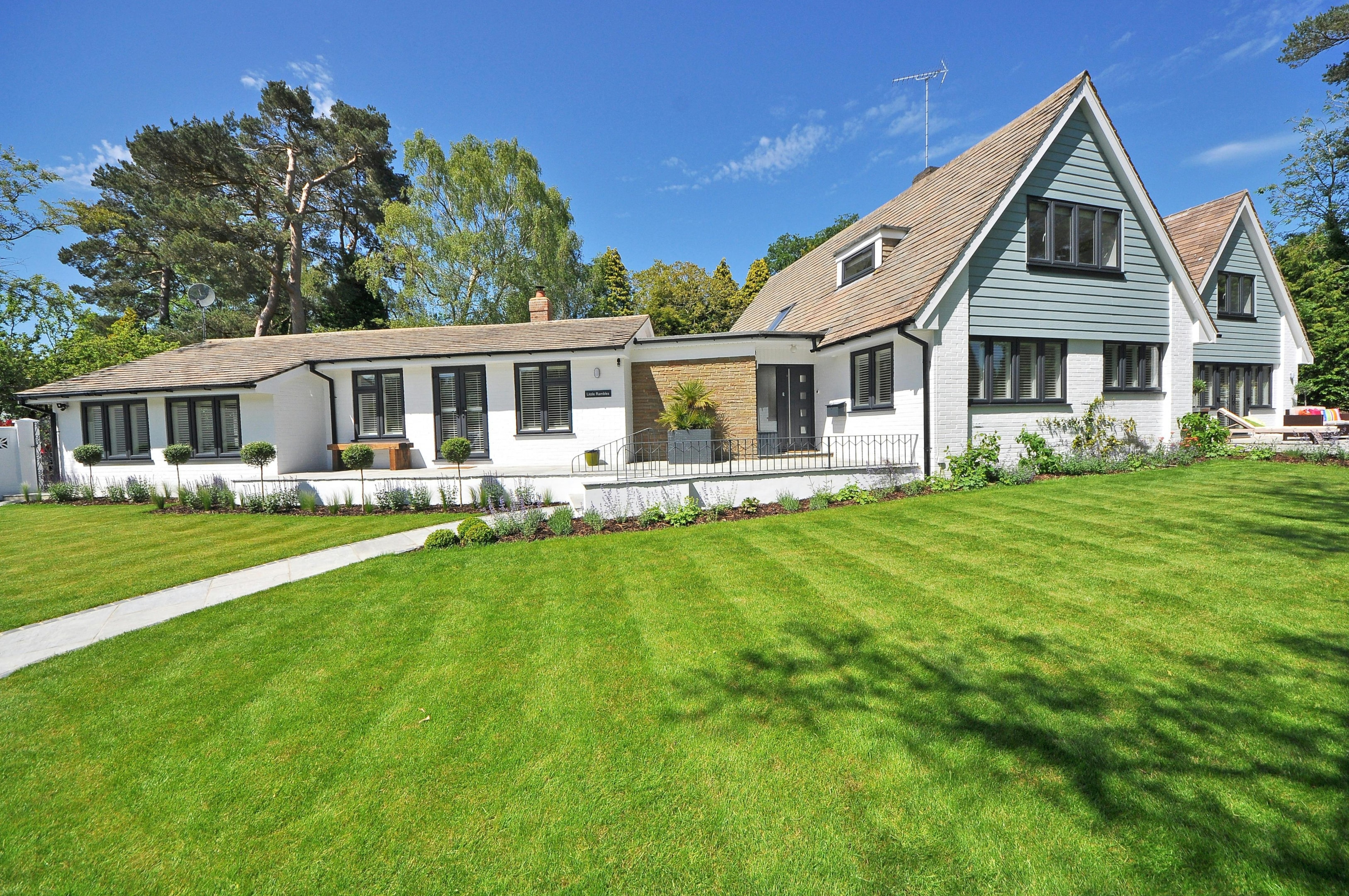
Creating a stunning landscape that requires little upkeep is a dream for many homeowners in Idaho Falls. With the right planning, materials, and plant choices, you can design an outdoor space that remains beautiful without demanding constant maintenance. Let’s dive into low maintenance landscaping ideas to help you achieve a gorgeous yard while reducing the time, water, and effort you need to spend maintaining it.
Choose the Right Plants for Low Maintenance Landscaping
One of the biggest keys to low maintenance landscaping is selecting the right plants for your yard. Native plants are ideal for this purpose because they are naturally adapted to the local climate, requiring less water and care. In Idaho Falls, you can choose from various native species like native grasses, shrubs, and perennial plants that thrive in our region. These plants have evolved to handle local weather conditions, making them drought-tolerant and resistant to local pests.
Why Native Species Work Best
Native species thrive with less water and minimal effort since they are accustomed to the region’s climate. They also reduce the need for excessive pest control or fertilizers, making them an eco-friendly choice for homeowners. Some great options include native grasses and drought-tolerant perennials like yarrow, lupine, and blanket flowers. These plants also add a natural beauty to your landscape, blending seamlessly with the local environment.
Designing Your Outdoor Space for Low Maintenance
When planning your outdoor living space, focus on low maintenance landscaping designs that enhance the natural look of your yard without requiring much upkeep. For example, reducing the size of your lawn space by incorporating more flower beds, pathways, and natural elements like pavers or gravel will cut down on mowing and watering.
A traditional lawn requires a lot of water, mowing, and care. By reducing your lawn area and opting for low maintenance alternatives like artificial turf or native ground covers, you can cut down on the work your yard needs. Artificial turf is an excellent choice for homeowners who want a green, low maintenance lawn year-round without the need for watering or mowing.
Hardscaping for Low Maintenance Appeal
Incorporating hardscaping elements like natural stone, pavers, or gravel into your landscape design not only creates visual interest but also reduces the need for watering and weeding. Using natural stone or gravel around your garden beds and pathways minimizes weed growth and provides an attractive contrast to plants and trees.
Low Maintenance Landscaping Tips: Using Ground Covers and Mulch
To further reduce maintenance, consider using ground cover plants and organic mulches like wood chips or pine straw. These materials help suppress weeds, conserve soil moisture, and provide a clean, natural look to your yard.
Ground covers, such as creeping thyme or sedum, spread out over large areas, creating a beautiful carpet of greenery that helps suppress weeds. They are an excellent alternative to traditional turf or flower beds, offering low maintenance while adding texture to your landscape.
The Benefits of Organic Mulches
Mulching your garden beds with organic matter like pine straw or wood chips improves soil moisture retention and reduces weed growth. Organic mulches also break down over time, enriching the soil with nutrients. They help reduce excess water runoff and protect the roots of your plants, ensuring they thrive with less water and care.
Creating an Efficient Watering System
Proper watering is essential for any landscape, but with low maintenance designs, you want to ensure you’re not overwatering. Installing a sprinkler system or using soaker hoses can make watering more efficient and easier to manage. Soaker hoses deliver water directly to the roots of your plants, reducing water waste and encouraging deeper root growth. If you want to go a step further, consider installing a smart sprinkler system that adjusts based on weather conditions, preventing excess water usage.
Planting Tips for Low Maintenance Landscaping
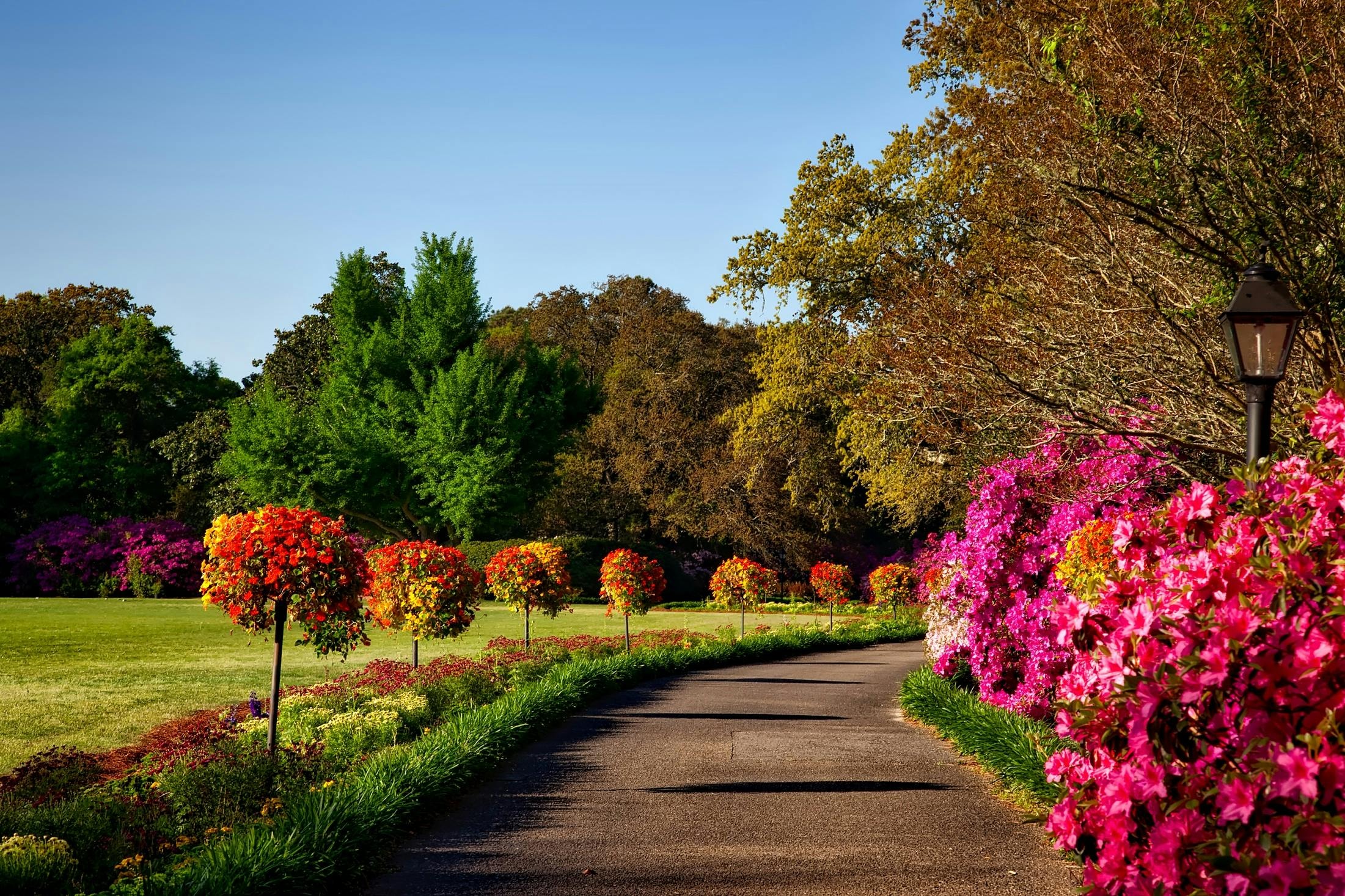
When it comes to planting, consider the mature size of your plants to avoid overcrowding, which leads to more pruning and maintenance. Planting in odd numbers is a classic landscaping trick that creates a more natural and visually appealing arrangement. Grouping plants that have similar water and sunlight needs together also makes it easier to manage your landscape with less upkeep.
Certain low maintenance plants such as perennials, shrubs, and trees are great choices for reducing work in the garden. Perennials, for example, return year after year with little effort required on your part. Shrubs and trees, once established, often require less maintenance than annuals or fast-growing plants that need regular pruning.
Planting Times and Climate Considerations
In Idaho Falls, it’s important to consider the local climate and planting times. Planting in the spring or fall when temperatures are cooler allows plants to establish themselves before the extreme summer heat or winter cold sets in. This leads to healthier, more resilient plants that require less maintenance over time.
Minimizing Pest Control and Weed Growth
A well-planned low maintenance landscape also takes pest and weed control into account. By choosing pest-resistant native plants and using mulch to suppress weeds, you can reduce the need for chemicals and intensive labor.
Opt for organic pest control methods, such as encouraging beneficial insects like ladybugs and praying mantises to your garden. These insects help keep harmful pests at bay, providing a natural solution without the need for chemical sprays. Planting pest-repellent herbs like lavender and rosemary can also deter unwanted insects while adding to the natural beauty of your yard.
Benign Neglect: Let Nature Take Its Course
Sometimes, the best approach to maintenance landscaping is practicing a bit of benign neglect. Allow your landscape to grow naturally with minimal interference, only stepping in when necessary for pruning or trimming. This approach works particularly well with native species and drought tolerant plants, which are already adapted to the natural environment.
Maximizing Natural Beauty with Minimal Effort
Low maintenance landscaping is all about creating a beautiful, thriving yard with minimal effort. By choosing the right plants, incorporating hardscaping elements, and implementing efficient watering and mulching practices, you can enjoy a beautiful yard that doesn’t require constant upkeep.
Final Thoughts
Whether you’re looking to reduce your lawn space, add more perennial plants, or incorporate natural stone into your design, there are plenty of ways to create a low maintenance outdoor space that suits your lifestyle. With proper planning and the right landscaping ideas, you can achieve a yard that looks stunning year-round with less upkeep.
For more landscaping tips and ideas specific to Idaho Falls, contact New Leaf Landscaping today! We’ll help you design and maintain a beautiful, low maintenance landscape that meets your needs and enhances your home’s curb appeal.


