
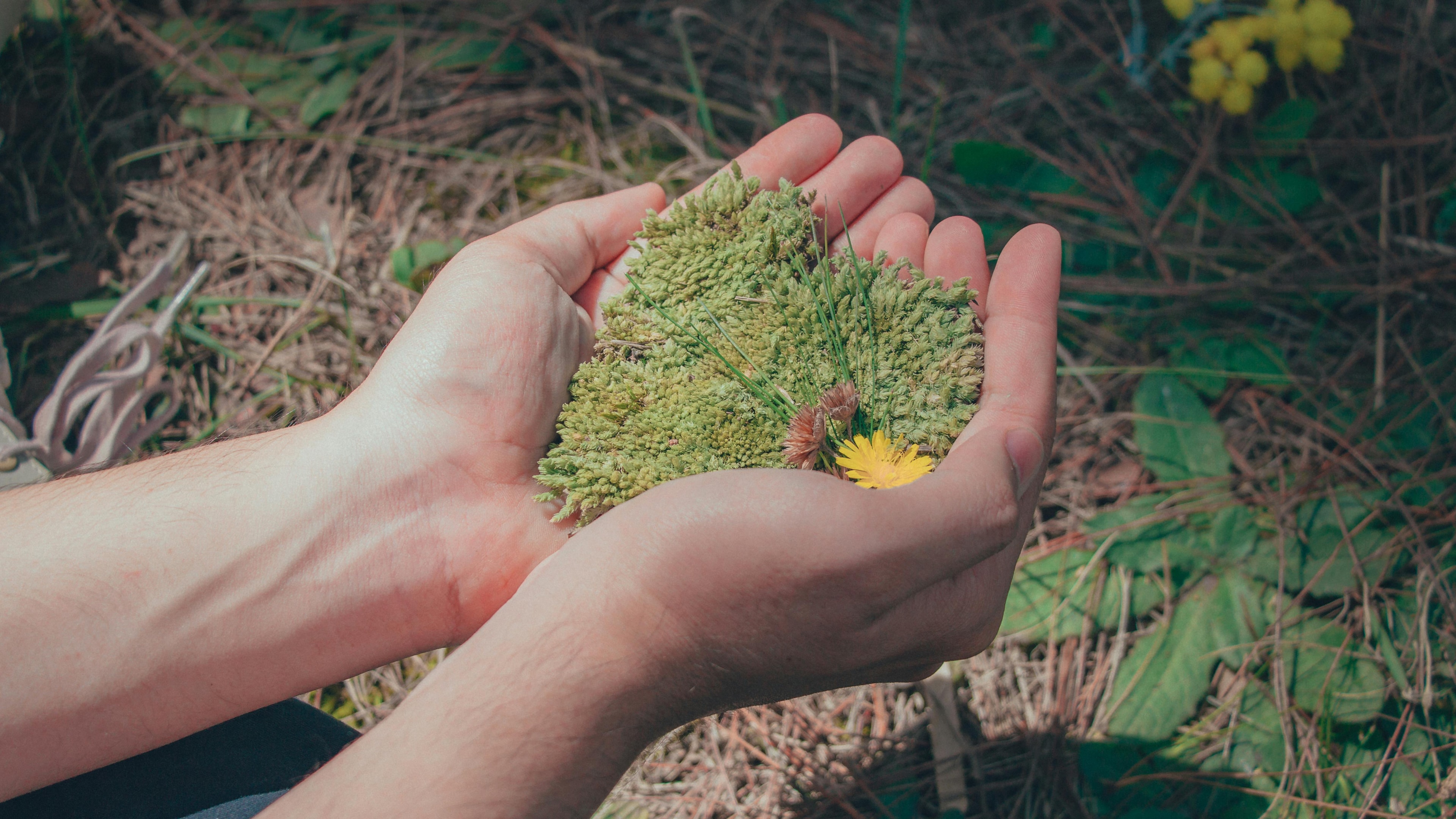
Idaho winters can be beautiful, but they bring challenges for gardeners. Protecting your plants during winter requires careful planning and the right techniques. From insulating your garden to choosing hardy species, there are many ways to ensure your plants survive the cold. Let’s explore how to protect your plants from harsh winter conditions.
Understanding the Challenges of Idaho Winters
Cold temperatures, heavy snow, and freezing winds can take a toll on garden plants. Cold air settles into lower areas, causing frost pockets that damage tender plants. Freeze-thaw cycles can lift shallow-rooted plants from the soil, a process called soil heaving. This makes root systems vulnerable.
Unexpected cold snaps and cold winds are also common winter problems. These conditions dry out plant cells, causing leaves and branches to turn brown. Knowing the threats your garden faces is the first step to effective plant protection.
Choosing Hardy Plants for Idaho Winters
Not all plants can survive winter in Idaho. Selecting the right species ensures your garden thrives year-round.
- Evergreen plants like junipers and pines retain their beauty during winter months.
- Woody plants such as maples and oaks have durable cambium layers, making them resistant to frost.
- For smaller gardens, consider shrubs like boxwood, which tolerate cold temperatures well.
When planting newly planted trees, ensure they are appropriate for Idaho’s climate to prevent winter damage. Always consult local experts or your landscaper for recommendations.
Insulating Plants for Cold Weather
Proper insulation can protect plants from freezing temperatures and cold snaps. Here are some practical tips:
Mulching for Warmth
Mulch acts as a garden miracle worker, retaining soil moisture and regulating temperature. Spread a 2-3 inch layer of mulch, such as pine straw or chopped leaves, around the base of plants. This reduces the impact of freeze-thaw cycles and keeps tender crowns protected.
Using Burlap Wraps and Covers
Wrapping thin-barked trees and shrubs in burlap can shield them from cold winds. Burlap allows air circulation while protecting plants from harsh conditions. For container plants, move them to a sheltered location or wrap pots with burlap for additional warmth.
Installing Cold Frames
A cold frame is a great way to protect tender plants and new growth during the winter. These small, transparent structures trap more heat and create a stable environment for plants.
Protecting Potted and Container Plants
Potted plants and container plants are especially vulnerable to cold damage because their roots are above ground. Place them in a sheltered spot, such as a garage or covered patio, during freezing temperatures. If moving isn’t an option, insulate pots with bubble wrap or place them in larger containers filled with straw.
Preventing Damage from Snow and Ice
Heavy snow can break branches and smother smaller plants. Gently shake snow from evergreen plants and shrubs to prevent breakage. Avoid piling snow onto beds, as compacted snow can cause soil heaving.
If you notice winter temperatures causing stress, avoid pruning during the winter months, as this can encourage new growth vulnerable to frost.
Watering During Winter
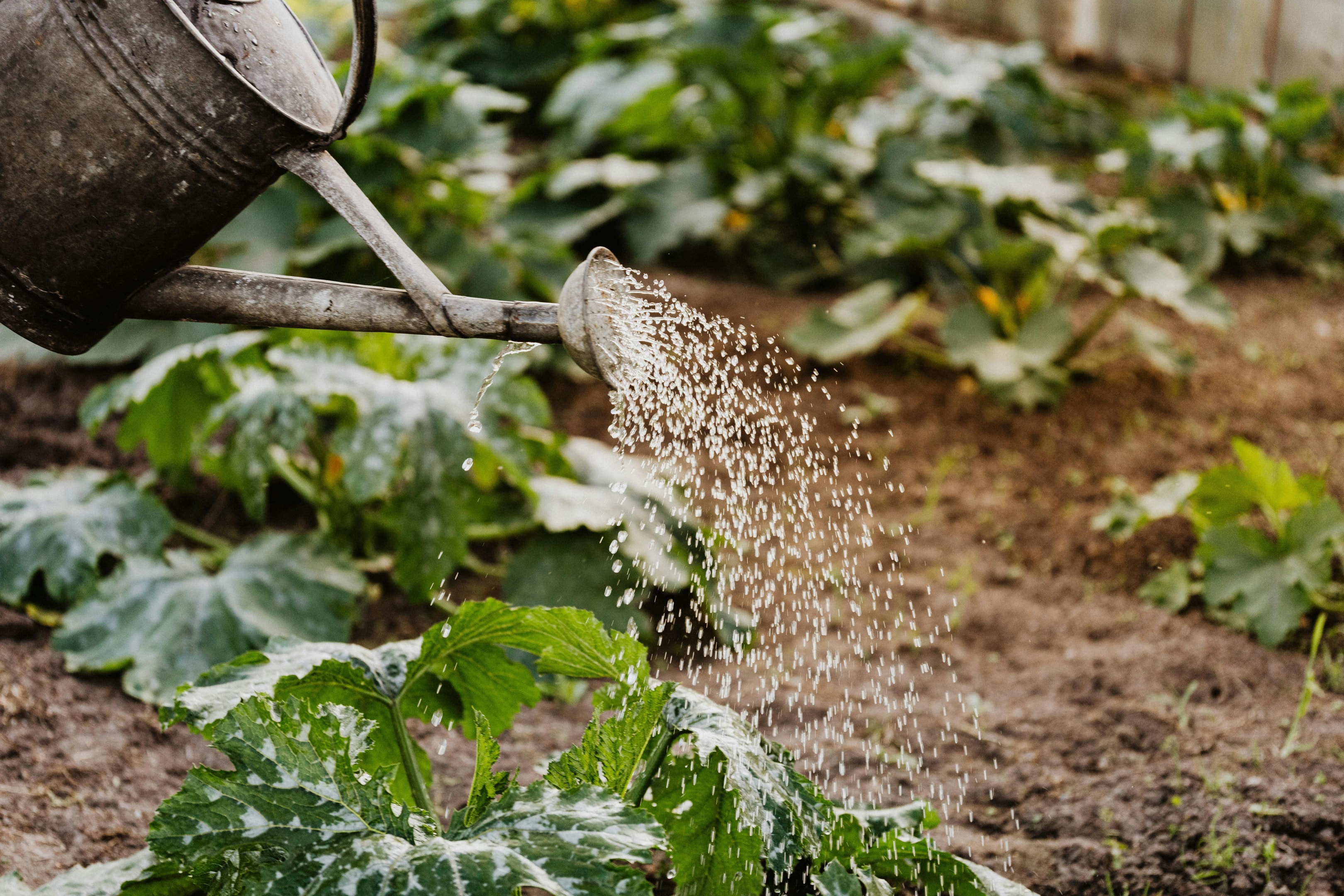
Even in cold weather, plants need water to survive winter. Dry soils increase the risk of root damage.
- Ensure moist soils hold heat better than dry ones.
- Provide winter watering during dry spells, especially for shallow-rooted plants and newly planted trees.
- Use supplemental irrigation sparingly to prevent waterlogging.
Remember, water on calm, windy days, and avoid watering before a hard freeze to reduce the risk of cold damage.
Using Protective Materials for Tender Plants
For especially vulnerable plants, use horticultural fleece or plastic covers to keep frost at bay. These materials trap heat and protect plants from frost and cold air. However, avoid leaving covers on for long periods to prevent suffocation.
Avoiding Common Winter Problems
Cold air settles in low areas, causing frost damage. Place plants in elevated spots where air circulation is better. Address other issues like soil heaving by using mulch and avoiding excessive watering.
Check for signs of frost damage, such as discolored leaves and brittle stems, and take action quickly to protect plants.
The Role of Soil Health in Winter Protection
Healthy soil is crucial for plants to survive winter. Maintain soil moisture with proper mulching and avoid compacting it during the winter months. Adding organic matter like compost improves insulation and supports the growth of other plants come spring.
Conclusion: Preparing Your Garden for Winter
Protecting your plants during winter ensures they thrive despite harsh conditions. From insulating with mulch to choosing hardy shrubs and trees, small efforts make a big difference. Idaho winters can be tough, but with the right care, your garden will emerge healthier and more vibrant in the spring.
If you’re unsure how to prepare your garden for winter, New Leaf Landscaping is here to help. Contact us for professional winter care and protect your plants this season!


