
Proper tree and shrub pruning is a crucial part of maintaining a healthy, attractive landscape. It enhances the natural beauty of your plants and promotes their longevity. At New Leaf Landscaping, we often get asked about the best techniques and timing for pruning trees and shrubs, so today, we’re breaking it all down for you.
Why Is Tree and Shrub Pruning Important?
Pruning is essential for maintaining plant health, controlling shape, and encouraging new growth. When you prune trees and shrubs correctly, you remove dead branches, diseased branches, and undesirable growth. This allows the plant to focus energy on producing strong, healthy growth. Additionally, it improves air circulation, which reduces the chance of disease.
For example, if you prune fruit trees annually, you increase the yield of high-quality fruit. Regular pruning of garden roses and hedges also enhances their overall appearance, helping them maintain a neat and dense growth pattern.
Proper pruning is more than just clipping branches—it’s about understanding the plant’s natural shape and timing the pruning cuts appropriately.
When Is the Best Time to Prune?
Timing is everything when it comes to pruning trees and shrubs. The season affects how the plant will respond, and improper timing can negatively impact plant health.
Dormant Season Pruning (Winter or Early Spring)
Most tree branches and shrubs benefit from pruning in late winter or early spring while they are still dormant. This period allows you to shape the plant without stimulating excessive new growth before the cold weather subsides. Prune branches to direct growth and remove undesirable growth before spring growth begins.
Example: Pruning oaks during the dormant season helps prevent oak wilt, a deadly disease that spreads during warmer months.
Spring Flowering Shrubs
To avoid cutting off flower buds, prune spring flowering shrubs after they bloom. Pruning cuts made in late winter or early spring could remove buds formed the previous year, affecting bloom quality.
Example: Prune spring flowering shrubs like lilacs and forsythia immediately after their flowers fade to preserve their next season’s blooms.
Summer Flowering Shrubs
Summer flowering shrubs, such as hydrangeas, produce blooms on new growth, so it’s safe to prune summer flowering shrubs in late winter or early spring. This encourages denser growth and more vibrant summer blooms.
Evergreen Trees and Shrubs
Pruning evergreen trees and shrubs can be done any time of year, but early summer is ideal. Light pruning during this period helps them maintain their shape without stressing the plant.
Fruit Trees
Prune fruit trees in late winter for the best results. Removing dead branches and water sprouts during this time encourages strong spring growth and enhances fruit production. When you prune fruit trees, make sure to keep the plant’s natural shape in mind and thin branches as needed.
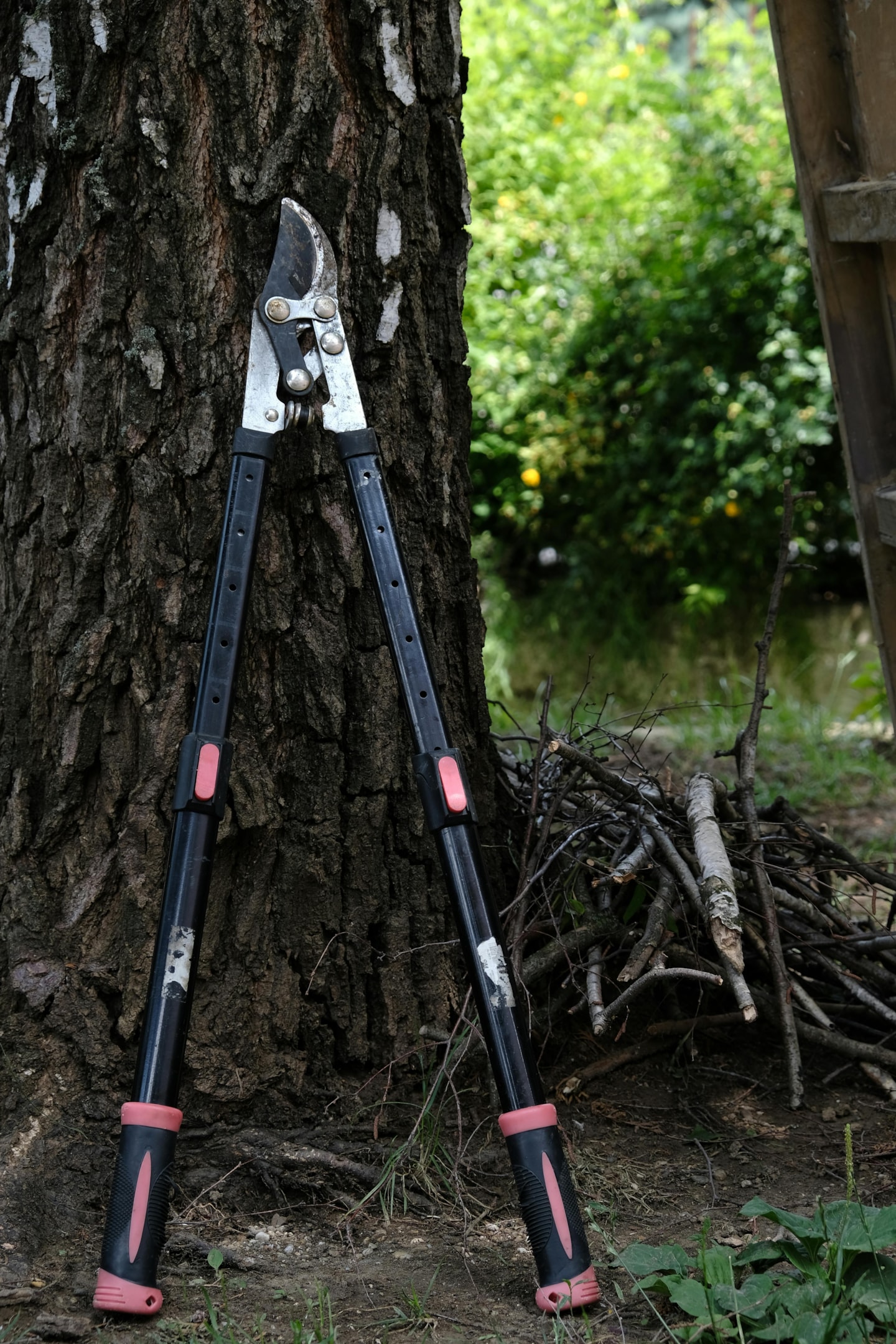
Essential Tools for Pruning
Having the right pruning tools is crucial for making clean cuts and maintaining plant health. Here’s what you’ll need:
– Pruning shears: Perfect for cutting small branches and shrubs.
– Hedge shears: Best for shaping hedges and shrubs.
– Pruning saw: Necessary for cutting thicker branches.
– Paint for pruning cuts: Especially important when pruning oaks to prevent disease entry.
Always clean your tools before pruning to prevent the spread of disease. Sharp, well-maintained tools will also make pruning easier and more precise.
How to Prune Different Types of Plants
Different trees and shrubs require various pruning techniques to stay healthy and attractive. Let’s explore how to prune a few common types of plants.
Deciduous Trees and Shrubs
Deciduous trees, like maple or oak trees, shed their leaves every fall. Prune oaks in the dormant season to remove dead growth, broken branches, and crossing branches. Focus on maintaining the plant’s natural form while encouraging healthy new growth.
For deciduous shrubs, pruning after spring growth emerges is ideal. This allows you to remove overgrown shrubs and encourage denser growth.
Evergreen Shrubs and Trees
Evergreen shrubs like boxwoods benefit from moderate pruning to maintain shape. Avoid extensive pruning of evergreen trees and hedges, as it can slow their growth. Evergreen hedges can be pruned in late winter to control their height and encourage uniform growth.
Pruning Hedges
When you prune hedges, the goal is to maintain a clean, neat appearance. Use hedge shears to trim them regularly, and always prune branches slightly above lateral buds to promote bushier growth.
Pruning Fruit Trees
Pruning fruit trees such as apple or pear trees requires careful attention to detail. You want to prune branches that cross, block sunlight, or grow downward. Thinning branches allows sunlight to penetrate the canopy, improving fruit quality.
In early spring, prune fruit trees to remove water sprouts, broken branches, and dead growth. This process not only boosts the tree’s health but also increases its productivity.
Pruning Pines and Other Conifers
To prune pines and conifers, trim back new growth in early summer before the branches harden. Avoid cutting into older wood, as this can stunt the tree’s growth.
Rejuvenation Pruning for Overgrown Shrubs
If your shrubs are overgrown, rejuvenation pruning can bring them back to life. This method involves removing up to one-third of the oldest stems at ground level to encourage new growth. It’s especially effective for deciduous shrubs and hedges that have become leggy or thin.
Common Pruning Mistakes to Avoid
While pruning trees and shrubs may seem straightforward, there are common mistakes that can harm your plants. Here’s what to watch out for:
– Pruning at the wrong time: Remember, spring flowering shrubs should be pruned after blooming, while summer flowering shrubs should be pruned before new growth starts.
– Over-pruning: Extensive pruning can stress a plant and stunt its growth. Moderate pruning is usually sufficient for maintaining shape and health.
– Cutting too close to the trunk: Avoid cutting too close to the branch collar, as this can delay healing and invite disease.
– Removing too many lower branches: While it’s fine to remove branches that are too close to the ground, leave enough to maintain the plant’s balance.
The Long-Term Benefits of Proper Pruning
Consistently pruning trees and shrubs encourages healthy, vibrant growth year after year. Whether you’re pruning pines, oaks, or fruit trees, following the proper techniques will result in a landscape full of thriving plants.
Pruning also helps direct growth, allowing you to maintain the desired height and shape of your trees and shrubs. This is especially important for properties with evergreen hedges, garden roses, or fruit trees that need to stay neat and healthy.
At New Leaf Landscaping, we understand that pruning can be overwhelming, especially for homeowners with mature trees or overgrown shrubs. If you need help or have questions about the proper pruning techniques for your landscape, feel free to contact our team. We’re here to ensure your trees and shrubs thrive for years to come.
Conclusion
Pruning is one of the best ways to maintain the health, appearance, and longevity of your trees and shrubs. Whether you’re trimming back diseased branches or shaping evergreen hedges, following the right timing and techniques is key to success. At New Leaf Landscaping, we specialize in pruning trees and shrubs, ensuring your landscape remains beautiful and healthy.
By staying on top of pruning tasks and using the proper tools, you’ll enjoy healthy growth and a thriving, vibrant landscape.


