
As the colder months approach, many gardeners start preparing their yards for winter. While trimming plants and protecting sensitive vegetation is important, one task often overlooked is winter mulching. Proper winter mulching can be a game-changer for maintaining a healthy landscape through the colder seasons. Applying mulch during winter provides essential protection to plants, especially shallow-rooted varieties, and ensures that your garden remains resilient through the cold.
In this guide, we’ll explore why winter mulching is crucial, the best materials for winter landscaping, and how to apply winter mulch to safeguard your plants.
The Benefits of Winter Mulching
Winter mulching isn’t just for decoration—it’s a critical part of protecting your plants through the harsh conditions of the colder seasons. Mulch acts as a winter blanket for your garden beds, helping to protect plant roots from freezing temperatures and rapid temperature fluctuations. Let’s take a closer look at how this works.
1. Insulating Plant Roots
During the winter months, the ground can experience a freeze-thaw cycle, where soil temperatures drop and rise dramatically. This fluctuation causes significant stress on plant roots, especially for shallow-rooted plants. A layer of mulch acts as a protective blanket, maintaining consistent soil temperatures and reducing the effects of this cycle.
Applying mulch can also protect newly planted trees, shrubs, and garden beds from the damage caused by rapid freezing. By putting mulch around the base of plants, gardeners can help buffer the soil against the harsh impact of a hard frost.
2. Moisture Retention and Soil Erosion Prevention
Another important benefit of winter mulching is moisture retention. In the winter garden, plants still require moisture to survive, even though they are in a dormant phase. Mulch helps to maintain soil moisture by preventing evaporation, ensuring the root systems of your plants have access to water throughout the winter.
In addition, mulch helps to prevent soil erosion. Winter winds, snow, and rain can cause soil structure to break down, leading to erosion. A thick layer of mulch holds the soil in place and prevents this, ensuring your landscape remains intact through the winter months.
3. Weed Suppression and Healthier Spring Growth
Even in the colder seasons, some weed seeds can germinate and take root in your garden beds. Mulch suppresses weeds by preventing light from reaching weed seeds, minimizing their chances of sprouting. This means less work in the spring when your garden begins to bloom again.
By applying mulch in the winter, you’re also setting your garden up for success in the coming growing season. The mulch will slowly break down, enriching the soil with organic materials, like wood chips, shredded leaves, and bark chips, providing a boost of nutrients to promote healthy plant growth in the spring.
How Winter Mulch Protects Plants
You might be wondering how exactly mulch provides winter protection for plants. The answer lies in its ability to regulate soil temperatures, prevent the soil from freezing too quickly, and reduce the stress caused by the freeze-thaw cycle.
1. Preventing Frozen Soil
When you apply winter mulch, you create a buffer that slows down the freezing process of the soil. This is particularly important for shallow-rooted plants that are more vulnerable to the cold. Mulch also helps prevent plants from being heaved out of the ground during periods of rapid freezing and thawing.
2. Providing a Winter Blanket for Root Systems
For plants that are newly planted or more sensitive to cold temperatures, winter mulch acts as a protective barrier. It helps insulate their root systems and shields them from the hard frost that can cause damage. This layer of mulch provides an extra level of protection, helping to maintain the health of the root system.
3. Maintaining Soil Structure and Air Circulation
Using organic mulch materials, such as shredded hardwood or pine needles, allows air spaces to form within the mulch. These air pockets promote better air circulation and help prevent the soil from becoming compacted. Compacted soil can lead to reduced water absorption and suffocate plant roots, so maintaining proper air circulation is key during winter.
Selecting the Right Winter Mulch Materials
Not all mulches are created equal, and choosing the right material for winter mulching is essential. Here are some popular options to consider:
Organic Mulch
Organic mulches, such as shredded leaves, grass clippings, and shredded bark, are excellent choices for winter mulching. These materials break down over time, adding valuable organic material to the soil and improving its structure. They also provide great insulation and moisture retention.
Pine Needles and Bark Chips
Pine needles and bark chips are ideal for acid-loving plants, like azaleas and rhododendrons, as they slightly increase the acidity of the soil. These materials also offer excellent winter protection by regulating soil temperatures and retaining moisture.
Shredded Hardwood and Wood Chips
For a longer-lasting mulch, consider using shredded hardwood or wood chips. These materials break down more slowly than other organic options, providing steady protection throughout the winter months. They’re also great for suppressing weed growth and preventing soil erosion.
Avoiding Excess Mulch
While it’s important to apply mulch for winter protection, too much mulch can be harmful. Excess mulch can trap moisture, leading to root rot and fungal diseases. Additionally, piling too much mulch around tree trunks or plants can suffocate their root systems. Aim for a layer of mulch that’s 2 to 4 inches thick, and make sure there’s enough air circulation around the plants.
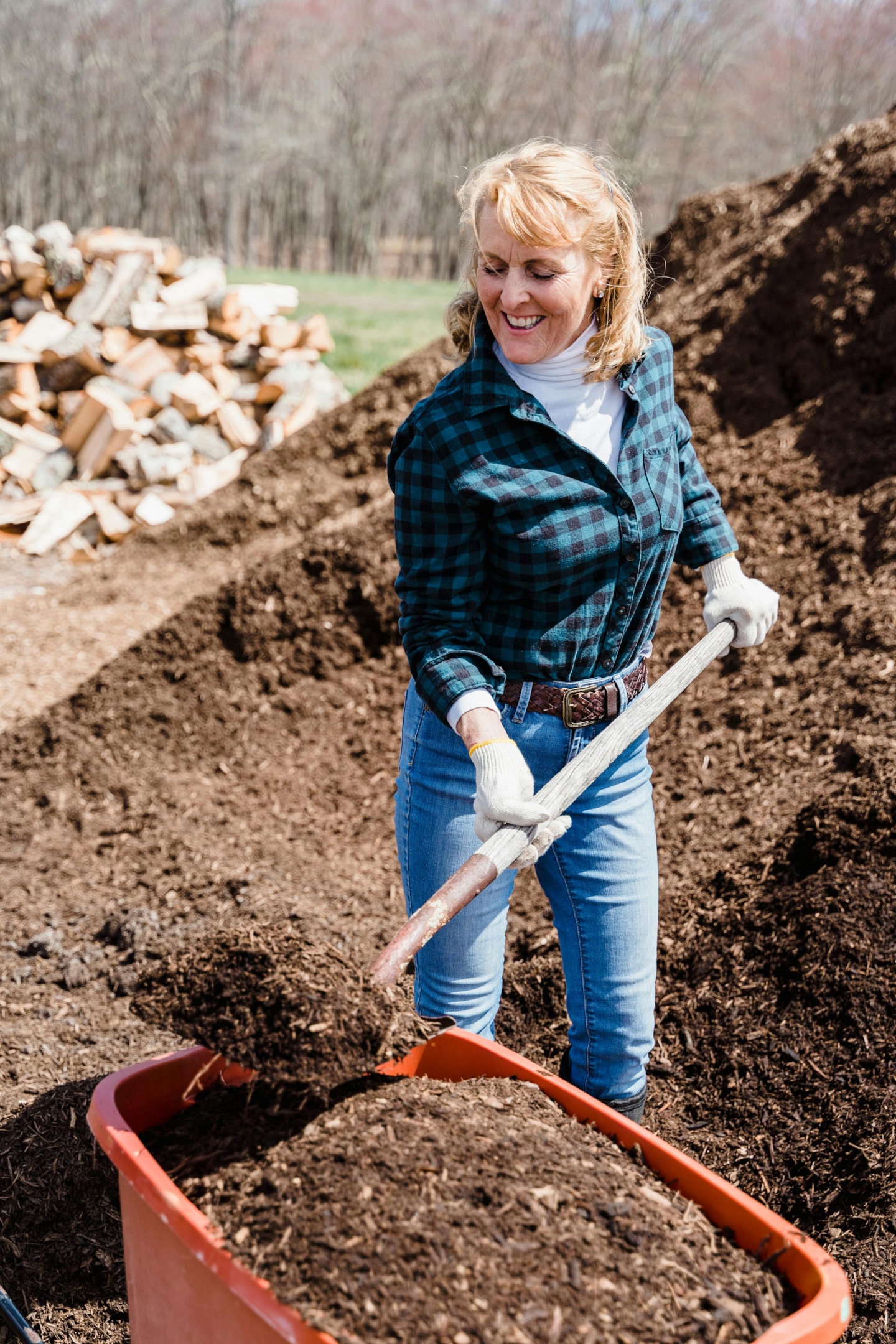
Tips for Applying Winter Mulch
Now that we’ve covered the benefits and materials, let’s talk about the best way to apply winter mulch. Here are a few tips to help you get started:
1. Wait Until the First Frost
Before applying mulch, wait until after the first frost of the season. This ensures that the ground has cooled enough, and plants have entered their dormancy phase. Applying mulch too early can trap heat, encouraging new growth that could be damaged by the cold.
2. Apply Mulch Around Tree Trunks and Shrubs
When applying winter mulch around tree trunks and shrubs, be sure to keep the mulch at least a few inches away from the base. This prevents moisture from building up around the trunk, which can lead to rot.
3. Spread an Even Layer of Mulch
For the best protection, spread an even layer of mulch about 2 to 4 inches thick over your garden beds. Be sure to cover the entire root zone of your plants, focusing on those that are more susceptible to cold damage, like shallow-rooted and newly planted species.
4. Use Natural Mulch for a Healthier Soil Structure
Using natural mulch, like shredded leaves or wood chips, helps improve soil structure over time. As the mulch breaks down, it releases organic material into the soil, enriching it with nutrients for healthier plant growth.
Preparing Your Winter Garden for Spring
Winter mulching is not just about protecting your plants during the colder months. It’s also about preparing your garden for a healthier and more productive growing season. As mulch breaks down, it improves soil moisture retention and suppresses weed germination, ensuring that your garden beds are ready to thrive when the weather warms up.
By applying mulch in the winter, you’ll also be reducing soil erosion, protecting your plants’ root systems, and promoting overall soil health.
Conclusion
Winter mulching is a must for any gardener looking to protect their landscape during the colder seasons. Whether you’re safeguarding shallow-rooted plants or preparing your winter garden for spring, applying winter mulch will provide the necessary protection and set your plants up for success. Choose organic materials, apply an even layer, and avoid excess mulch to ensure your garden beds stay healthy through the winter months.
If you have any questions about winter mulching or need assistance with your winter landscaping, reach out to New Leaf Landscaping today. We’re here to help you maintain a thriving garden, even in the coldest months!


